Voltage variation and electrical regulation are two key aspects to consider when it comes to maintaining an electrical installation. In residential environments, voltage variations are more common than you might think, and although they sometimes go unnoticed, they can cause progressive damage, unexpected failures, and higher maintenance costs.
For homes in Central America and other countries in the region, having reliable electrical regulation solutions is a key preventive measure. In this context, Industronic offers specialized technology to protect electrical installations and ensure a stable and safe supply.
What is voltage variation and why does it occur?
The first thing to explain is what is voltage variation? This concept refers to changes in the level of electrical voltage reaching an installation, either above or below the nominal value (registering values greater or less than 10% of the ideal voltage). These fluctuations can be momentary or prolonged and are caused by multiple factors:
- Overloads in the grid: problems with transformers or power lines.
- Start-up of high-consumption motors: if the electrical grid experiences changes in power generation or demand, there may be voltage fluctuations.
- Poor electrical infrastructure: if the electrical load is not balanced in the phases of a three-phase system, there may be voltage fluctuations.
- Electrical storms: lightning, strong winds, and other atmospheric disturbances can cause power surges in the electrical grid.
- Power company supply failures: problems with electrical distribution equipment, transformers, or other components can cause voltage variations.
In residential areas, it is also common for the simultaneous use of high-consumption appliances to cause temporary voltage drops.
Why is it important to consider voltage variation?
Voltage variations can cause appliances to shut down, malfunction, wear out faster, or even become irreversibly damaged. Good voltage regulation helps equipment function optimally, reduces energy losses, improves efficiency, and protects investment in electrical installations.
Effects of voltage variation on electrical equipment
Voltage variation directly affects the performance and durability of equipment:
- Low voltage can cause motors to work harder, leading to overheating and premature wear, lamps to dim, or electronic equipment to restart or malfunction.
- High voltage can damage electronic cards, power supplies, and sensitive components, and can also cause overheating, reducing the useful life of equipment.
Appliances such as refrigerators, televisions, computers, air conditioners, and entertainment equipment are especially vulnerable. In the long term, these conditions reduce energy efficiency and increase the risk of irreversible failures.
Electrical regulation: how it works and why it is essential
Electrical regulation is the set of technical measures, devices, and regulations whose objective is to maintain voltage within a safe and stable range, regardless of fluctuations in the grid. Voltage regulators automatically detect variations and correct the voltage level before it reaches connected equipment.
This process is essential because it protects investments in appliances, improves the reliability of the power supply, and contributes to more efficient energy use. In modern homes, where the electronic load is increasing, electrical regulation is no longer a luxury but a necessity.
What voltage variation equipment or current regulators are recommended for a typical home?
Currently, there are different types of regulators that cover each specific need. For a standard home, voltage regulators for residential use are recommended, which are installed centrally or by critical circuit. This equipment is designed to withstand frequent variations and protect multiple loads at the same time.
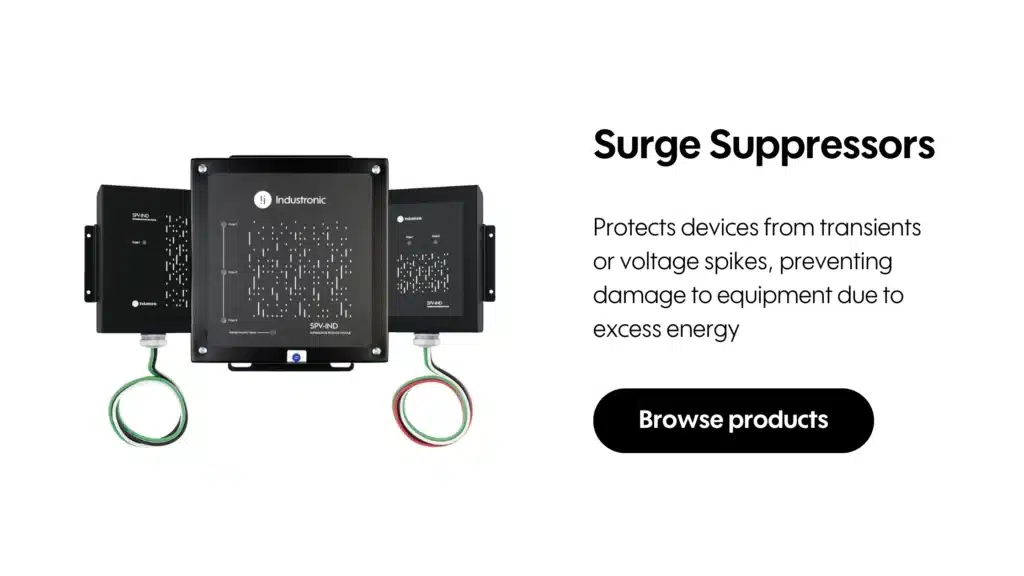
In some cases, they are complemented by surge suppressors or UPS for equipment that requires power backup and protection against transients. The choice depends on the number of devices, the stability of the local network, and the sensitivity of the electronic equipment in the home.
How can I identify and prevent voltage fluctuations in my home, and what signs should I be concerned about?
Some common signs of voltage fluctuations include:
- Flashing lights.
- Appliances turning off or restarting on their own.
- Unusual noises from motors.
- Recurring failures in electronic equipment.
- Frequent damage to light bulbs or power supplies.
What can a user or company do to improve voltage regulation?
- Monitor the voltage of your installation: if you notice frequent drops or surges, contact your supplier or an electrical specialist, such as Industronic.
- Install voltage regulators appropriate for the type of installation: residential, commercial, industrial, considering the load that is connected.
- Verify that the installation has good grounding: in addition to surge protection or harmonic filters, if there are critical loads or sensitive electronics.
If the installation is far from transformers, or in areas with poor infrastructure, consider that there may be greater voltage drops and require additional regulation.
How do Industronic regulators help stabilize voltage variation?
Industronic voltage regulators are designed to continuously detect and correct variations in the electrical network, keeping the voltage within safe and stable ranges. Depending on the application and the required capacity, Industronic offers regulators with different technologies, each geared to specific needs.
AMCR regulators, based on electronic technology, are available in a wide range of capacities and are ideal for protecting sensitive equipment in residential, commercial, medical, and computing environments, as well as in low- and medium-demand industrial applications.
On the other hand, AVR regulators, with electromechanical technology and a robust design, are geared towards harsh industrial environments and highly demanding loads, where a resistant solution is required.
In this way, Industronic offers voltage regulators suitable for both light applications and critical industrial processes, ensuring electrical stability and equipment protection.
Frequently asked questions about voltage variation and electrical regulation
What level of voltage variation is considered dangerous?
A sustained variation below or above ±10% of the nominal voltage is considered potentially dangerous for electrical equipment. Fluctuations outside this range can cause cumulative damage, especially to sensitive electronic devices and electric motors.
How do I know if I need a regulator or a UPS?
A voltage regulator is sufficient when the main problem is voltage fluctuations. A UPS, on the other hand, is recommended if there are also frequent power outages and power backup is required to continue operating critical equipment. In many homes, both devices can complement each other depending on specific needs.
Do voltage regulators help reduce electricity consumption?
While a regulator does not directly reduce consumption, it does contribute to more efficient operation of equipment by providing a stable voltage. This prevents overloads, energy losses, and failures that, in the long term, can translate into higher electricity and maintenance costs.
Voltage variation and electrical regulation are two basic conditions to consider in order to improve the safety and performance of electrical equipment in the home. Implementing reliable electrical regulation solutions is a strategic decision that protects your investment, improves efficiency, and guarantees your peace of mind. With Industronic’s experience and technology, households in Central America can count on robust and durable protection against electrical fluctuations, ensuring a stable and reliable supply for everyday life.